


 U.S.
U.S. M.X.
M.X. H.K.
H.K. S.G.
S.G.
The winter months can be tough on your skin. Between the dry air, the cold temperatures, the harsh winds, and all of the other bitter elements the season brings, it’s no surprise that there tends to be a sharp rise in the prevalence of certain skin conditions once winter fully hits. Dehydration, dryness, and sensitivities can quickly become the norm, with some only managing to overcome these issues once spring arrives.
The good news? You can avoid all of that. Read on as Lionesse explains exactly how to winter-proof your skin over the coming months. Add the following to your winter skincare routine, and you’ll be rocking a radiant glow throughout the cold season:
Add Extra Hydration
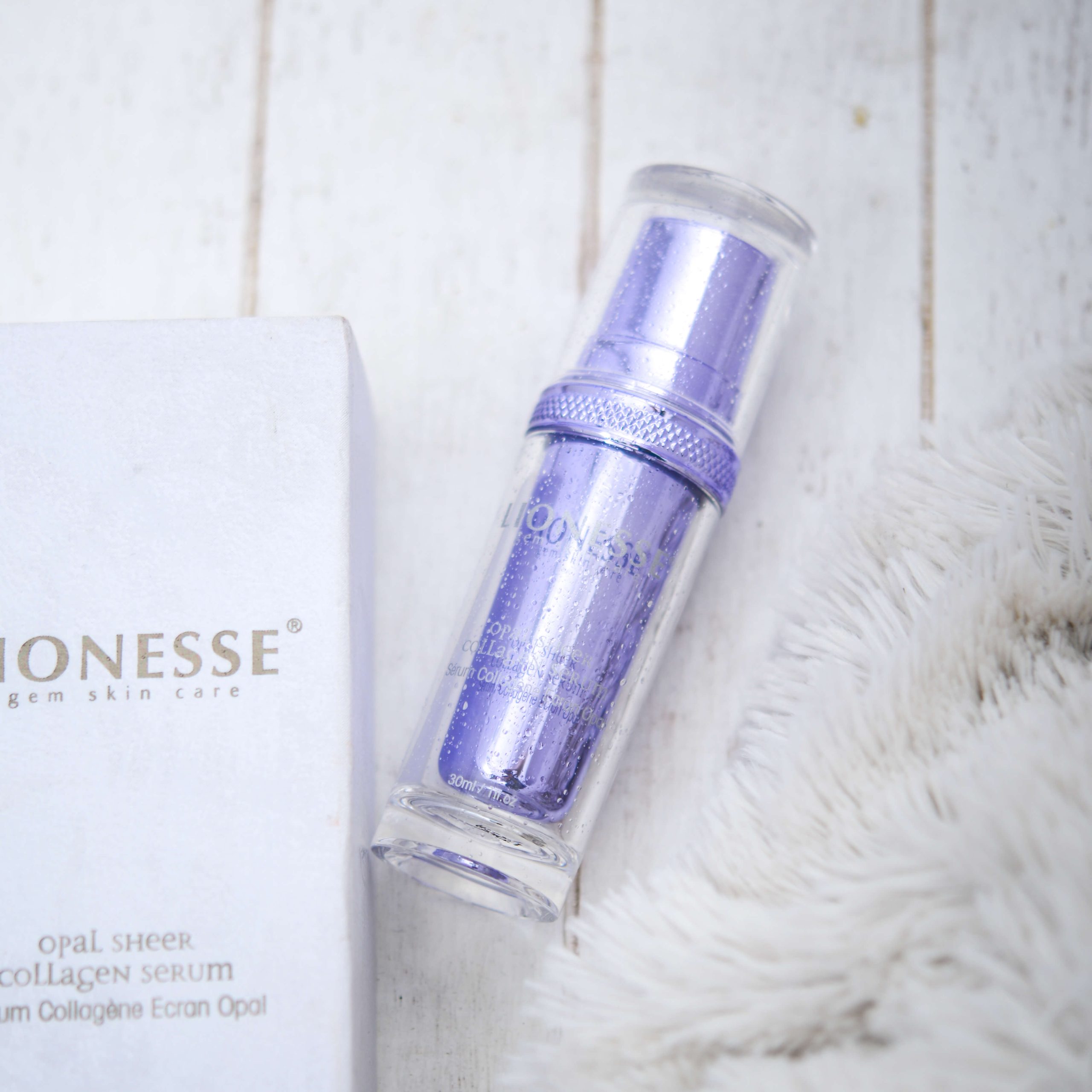
The first thing that your skin needs more of in the winter is hydration. Although natural moisture loss occurs year-round, it significantly increases in the winter. With the air around you being so dry, moisture will be pulled out of your skin at a much faster rate. Unless you want to deal with the dehydration that follows this, focusing on raising your skin’s moisture levels as much as possible is a must.
The best way to give your skin some extra hydration is with the use of humectants. These are ingredients that have moisture-binding properties. They’re exceptionally hydrating and are lightweight enough for several humectants to be combined in one formula without weighing the skin down. This is exactly what we’ve done with the Lionesse Opal Sheer Collagen Serum. It features several famous humectants, including sodium hyaluronate, lactic acid, and collagen amino acids. Layer this serum into your winter skincare routine, and you’ll notice that your skin starts to look much softer and dewier.
Switch to a Richer Moisturizer
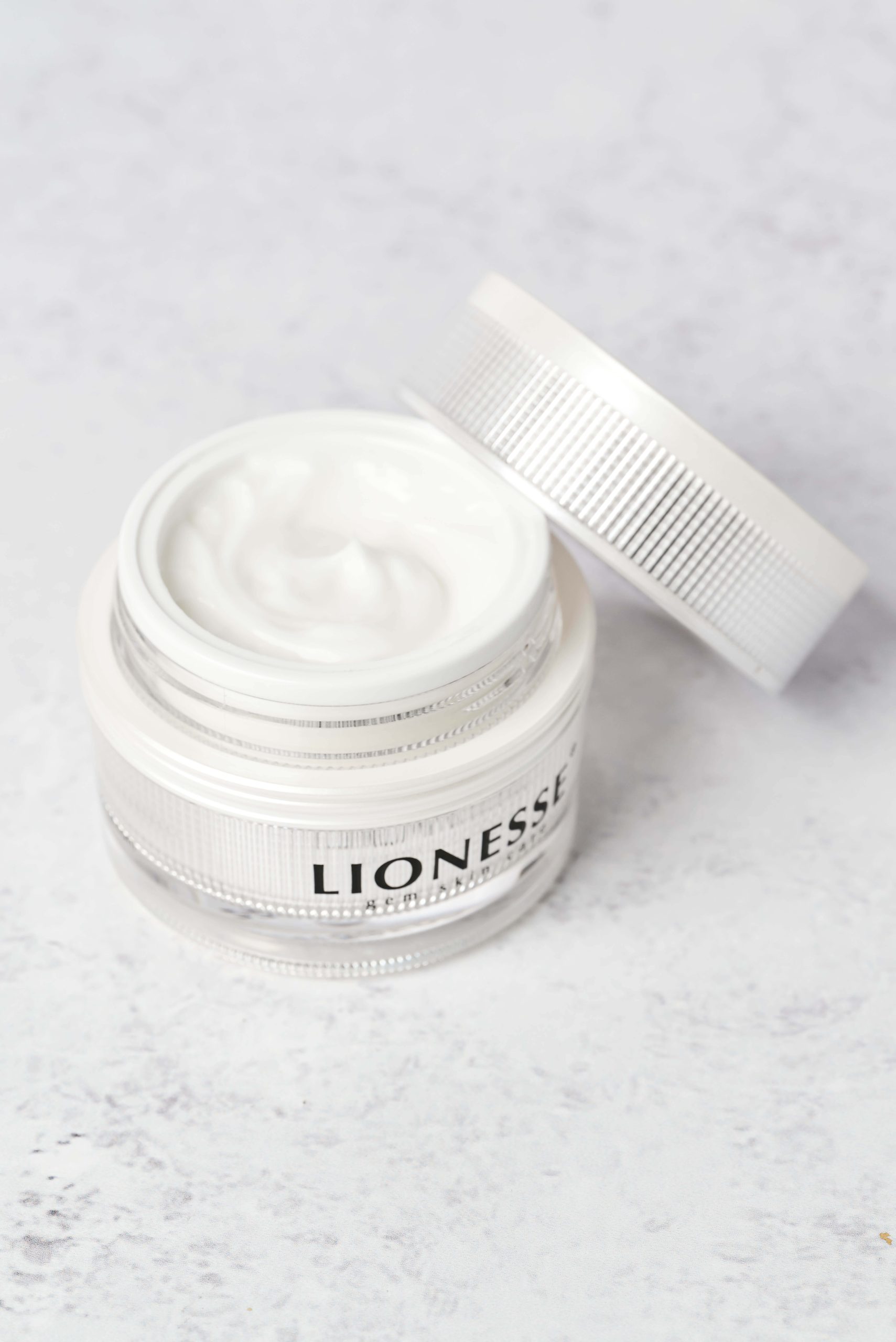
If moisture loss increases in the winter, then won’t the extra moisture that you give to your skin only end up evaporating away? Yes, which is why a richer moisturizer should be another addition to your winter skincare routine.
Moisturizers form a seal over the skin’s surface to slow down moisture loss. The richer the moisturizer, the thicker the seal, meaning the more hydrated your skin will feel.
Which ingredients form this thick seal? Plant butters and oils work particularly well. The Lionesse White Pearl Night Cream contains a blend of shea butter and sunflower seed oil, both of which are great for locking in moisture. Apply it to damp, rather than dry, skin, and it will be even more effective at ensuring a major moisture boost.
Bolster Your Skin Barrier
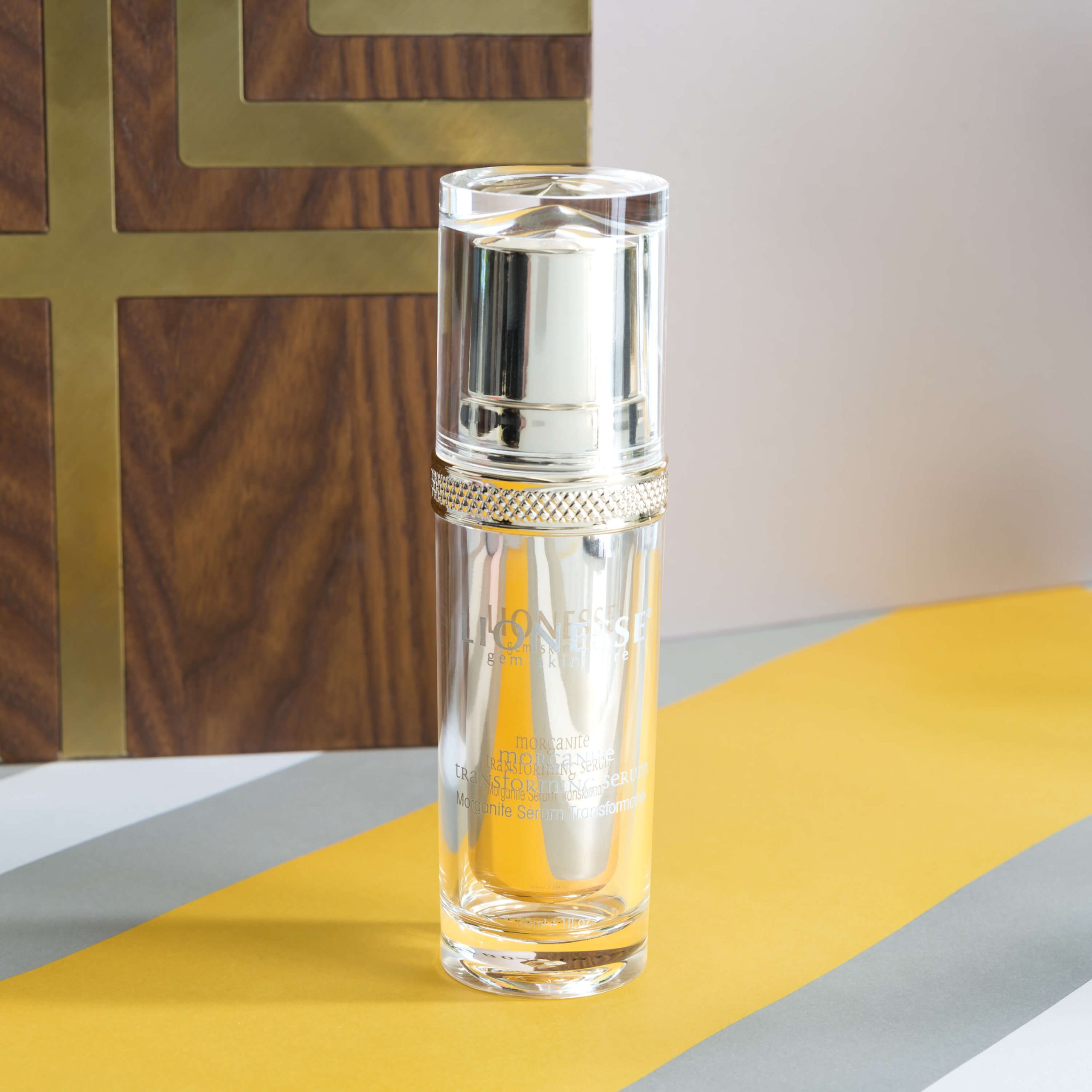
From the cold temperatures to the harsh winds, your skin barrier can really take a beating over the winter months. The elements strip away the lipid component of that natural protective barrier, causing a decline in barrier function. This has a couple of knock-on effects. Firstly, the moisture loss we mentioned above increases even further since the skin barrier isn’t able to effectively trap moisture in. It can also lead to an increase in sensitivities due to the skin barrier being unable to keep environmental irritants out in the way that it should.
To prevent all of this, work on keeping your skin barrier feeling bolstered as the winter weather arrives. With the right ingredients, you’ll be able to save your skin barrier from the appearance of winter damage. This will help to keep your skin feeling much healthier throughout the season.
So, which ingredients do you need for this? Hydrating ingredients, like hyaluronic acid, are great. Peptides are also superstars at giving the skin barrier a stronger finish, while antioxidants work to repair the feeling of damage. You’ll find all of these ingredients and more in the Lionesse Morganite Transforming Serum. With this serum in your winter skincare routine, your skin barrier will feel more resilient than ever!
Pamper With an Overnight Mask
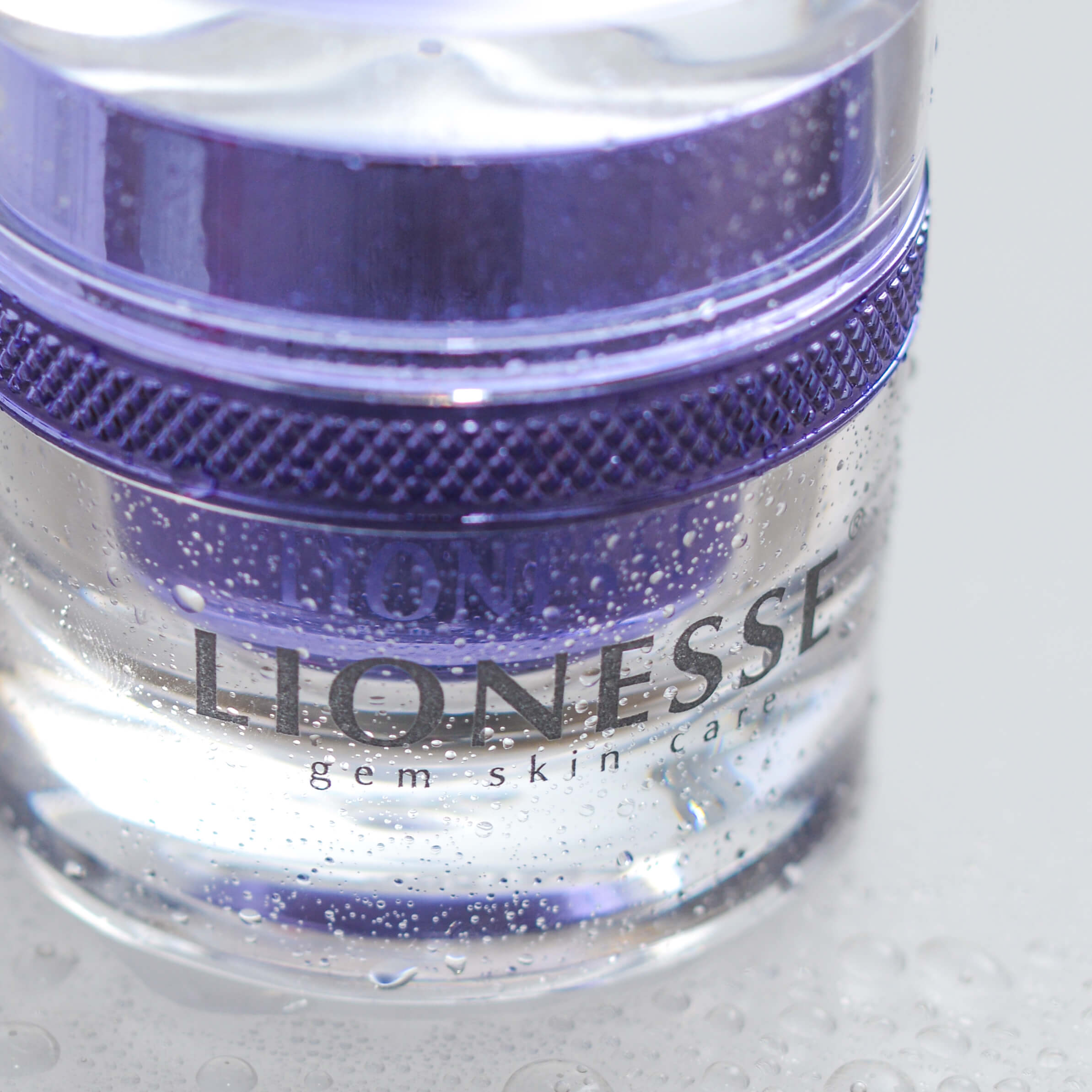
We’ve already mentioned how skin barrier function declines in the winter. However, this decline increases even further overnight. This, coupled with the lack of humidity in the air, means that it’s all too easy to wake up with dehydrated skin on winter mornings.
The steps that we’ve shared above will help to counter that. However, one additional measure to take is to add an overnight face mask to your winter skincare routine. They aren’t designed for daily use – instead, they give the skin an intense moisture boost once or twice a week. They provide enough hydration and nutrients to see your skin through until your next masking session.
While there are plenty of overnight masks out there to choose from, make sure that the formula you pick is winter-friendly. Our top choice would be the Lionesse Opal Sheer Melting Mask, which is packed with hydrating ingredients. It’s also brimming with superfood extracts. From pomegranate to acai berry to goji berry, these ingredients are loaded with antioxidants that will give your winter skin a glow.
Give the Skin on Your Body Extra Moisture

When it comes to skincare, a lot of attention is placed on the face. After all, this is the part of you that people first see, especially in the winter when everything else is hidden under multiple layers of clothing.
While that may be the case, it’s important that you don’t neglect the skin on your body during the colder season. Although it may be thicker than the skin on your face, meaning that it isn’t quite as susceptible to the same winter skin concerns, it would still benefit from a moisture boost, as well as some barrier TLC.
So, follow the same advice when it comes to giving the skin on your body a richer moisturizer. Look for hydrating, intensely moisturizing ingredients, like the shea butter used in the Lionesse Body Butter. This formula will leave the skin on your body feeling fully quenched and wonderfully smooth.
Turns to Oils for Severely Dry Skin
If your skin is dry on a good day, the arrival of winter isn’t going to be appreciated. It’s likely that your skin will end up severely dry, meaning that a rich moisturizer may not be enough.
If this is the case, consider adding a facial oil to your skincare routine. They provide an extra layer of hydration, along with an extra seal over the skin’s surface.
The best oils to turn to are the ones that are full of omega fatty acids. Jojoba oil is a favorite because of how light it is, while avocado oil is known for being richer. Argan oil is also intensely moisturizing.
Keep Going With the SPF
While you may be swapping out the serums and moisturizers that you use for winter-friendly versions, one element of your skincare routine that shouldn’t change is sun protection. Although many people think that SPF isn’t needed during the winter, this isn’t the case at all.
In fact, in some cases, your skin could be even more prone to sun damage at this time of the year. If you’re around snow, ice, or any other reflective surface, UV rays will be redirected and magnified. They’ll hit your skin from every angle, rather than just from above, causing serious damage.
Just like when it comes to summertime sun protection, make sure that your sunscreen is a broad-spectrum formula with a minimum SPF of 30. You’ll need to keep reapplying it to exposed skin every couple of hours to maintain protection throughout the day.
Incorporate Physical Winter Protection
Of course, it’s not just the sun that your skin needs protection from in the winter. As we’ve already mentioned, there’s so much else out there that causes damage, from the wind to the cold.
It’s much harder to protect your skin from these winter elements, but there are still a few steps that you can take. Try covering your skin with clothing or accessories. A beanie will give your head some warmth while also protecting some of the skin on your forehead. Meanwhile, a scarf can be wrapped around both your neck and the lower half of your face to shield your skin from the elements.
If the weather is particularly bad, try to limit how much time you spend outdoors. Once you’re back inside, give your skin some extra care.
Now is the Time for Professional Treatments
Is there a professional skin treatment you’ve been considering? Dermatologists often advise giving new treatments a try in the winter. Although skin barrier function may be lower, this can sometimes be a good thing as it makes the skin more permeable. Plus, sun exposure is usually minimal in the winter, and it’s the sun that’s often responsible for the issues that people experience after a professional skin treatment. After all, they do increase the skin’s vulnerability to sun damage.
So, whether you’ve been thinking about microneedling, a chemical peel, laser treatments, or anything else, now is a good time of year to explore those ideas.
Add Humidity to the Air
As we’ve discussed, many of the winter skincare problems that people experience can be traced back to the lack of moisture in the air. Low humidity levels are a big issue in the winter because the skin faces them pretty much 24/7. The air outside is naturally dry, while indoor air is usually artificially dried due to heating systems.
One way to give your skin a break from all of that dryness is to add some humidity back into the air. This is what humidifiers are designed to do. Set one up in your home, ideally in the room in which you spend the most time (for most people, this would be the bedroom), and your skin will thank you for it.
Creating the Perfect Winter Skincare Routine
Although the winter months may have caused problems for your skin in the past, this doesn’t need to be the case if you put together a winter skincare routine that meets your skin’s seasonal needs. Make sure that it provides plenty of moisture and barrier support, and your skin will immediately start to look brighter and healthier.
Click here to add more Lionesse bestsellers to your winter skincare routine.








Leave A Comment